Essential Gear and Proper Protective Apparel
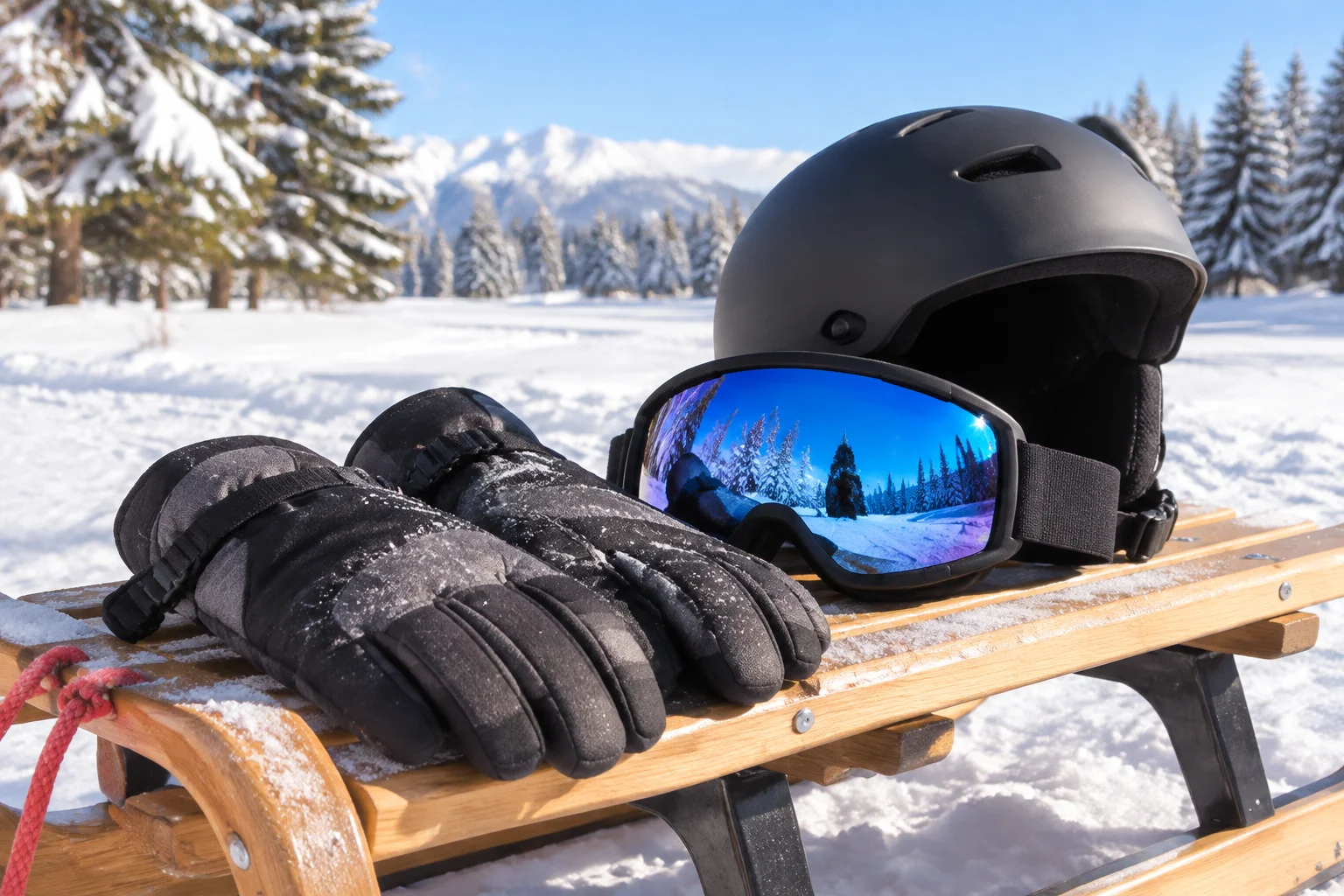
Downhill momentum can easily propel sledders to speeds exceeding twenty miles per hour. Standard cold-weather clothing cushions minor tumbles, but targeted protection prevents severe trauma during unexpected spills. Helmets specifically rated for multi-impact winter sports provide essential cranium protection, especially on packed ice surfaces. Goggles with tinted lenses protect corneas from wind chill and glare, while heavy-duty leather or synthetic gloves protect finger joints from sharp crust and friction burns.
Layering remains the cornerstone of cold management during extended slope sessions. Start with a moisture-wicking synthetic base layer that moves perspiration away from skin pores during strenuous uphill climbs. Add an insulating fleece or wool mid-layer to trap core body warmth. Finish with a ripstop, waterproof outer shell to repel wet snow and cutting wind gusts. Loose scarves or dangling drawstrings present serious entanglement risks around runners and steering axles, so choose fitted thermal gaiters instead.
Slope Assessment and Reading Snow Terrain
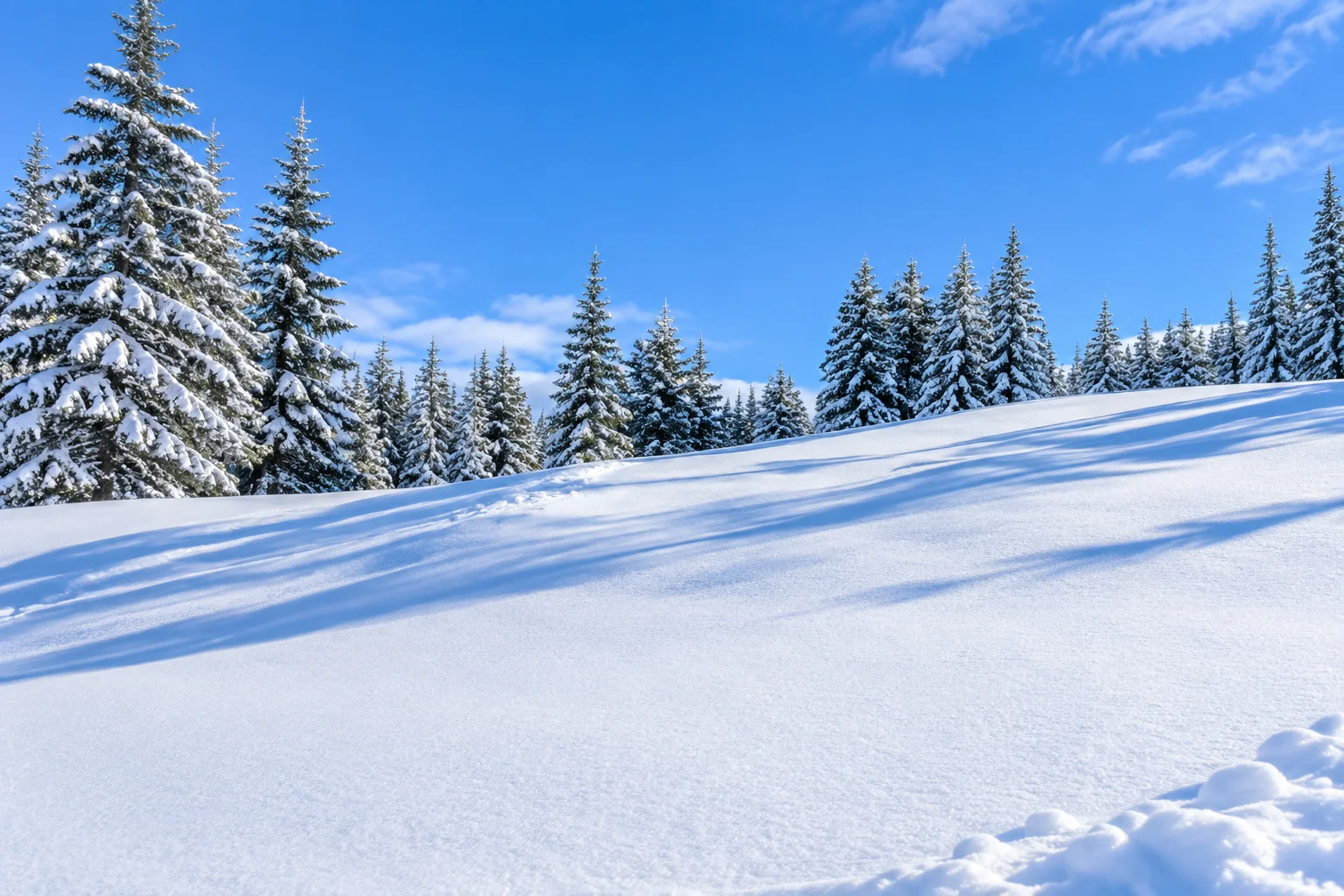
Before launching any descent, inspect the entire runoff area down to the hill's base. Safe sledding locations feature gentle run-outs free of fences, parked vehicles, frozen riverbanks, and mature tree trunks. Hard obstacles account for the vast majority of severe sledding collisions. Verify that the bottom terrain slopes naturally upward or levels out into an expansive open field, providing ample friction distance to decelerate without abrupt emergency stops.
A well-chosen sledding hill forgives rider error, while an unchecked slope filled with hidden debris or frozen drop-offs guarantees unnecessary risk.
— Sarah Miller, Winter Dynamics Specialist
Surface consistency changes dramatically as temperatures fluctuate throughout the day. Fresh powder provides soft landings and natural drag, whereas repeated runs pack snow into dense, slick sheet ice. Slopes exposed to direct sunlight melt slightly at noon and re-freeze into dangerous glass-like crusts by late afternoon. If the course becomes too icy to control steering angles with foot drags or integrated brake levers, pause riding immediately or relocate to softer slopes.
Active Steering, Safe Posture, and Traffic Etiquette
Rider posture determines both trajectory control and impact vulnerability. Always ride seated facing downhill with feet forward. Lying head-first on stomach boards dramatically increases the likelihood of catastrophic spinal or head impact when meeting bumps. Grasp side grab handles firmly with both hands, maintaining bent elbows to absorb shocks. Keep heels positioned slightly over the board lip so riders can exert controlled drag friction against the snow whenever speed needs tempering.
Crowded hills require coordinated spacing and mutual respect among sledders. Wait until earlier riders have come to a complete halt and stepped well outside the main slide path before pushing off from the summit. Once your own run finishes, roll immediately clear of the center lane and walk back uphill strictly along outer perimeter edges. Never linger in the landing basin, and keep clear visibility lines when small children or high-speed tubes share the recreation area.