Anatomy of an Ideal Sledding Slope
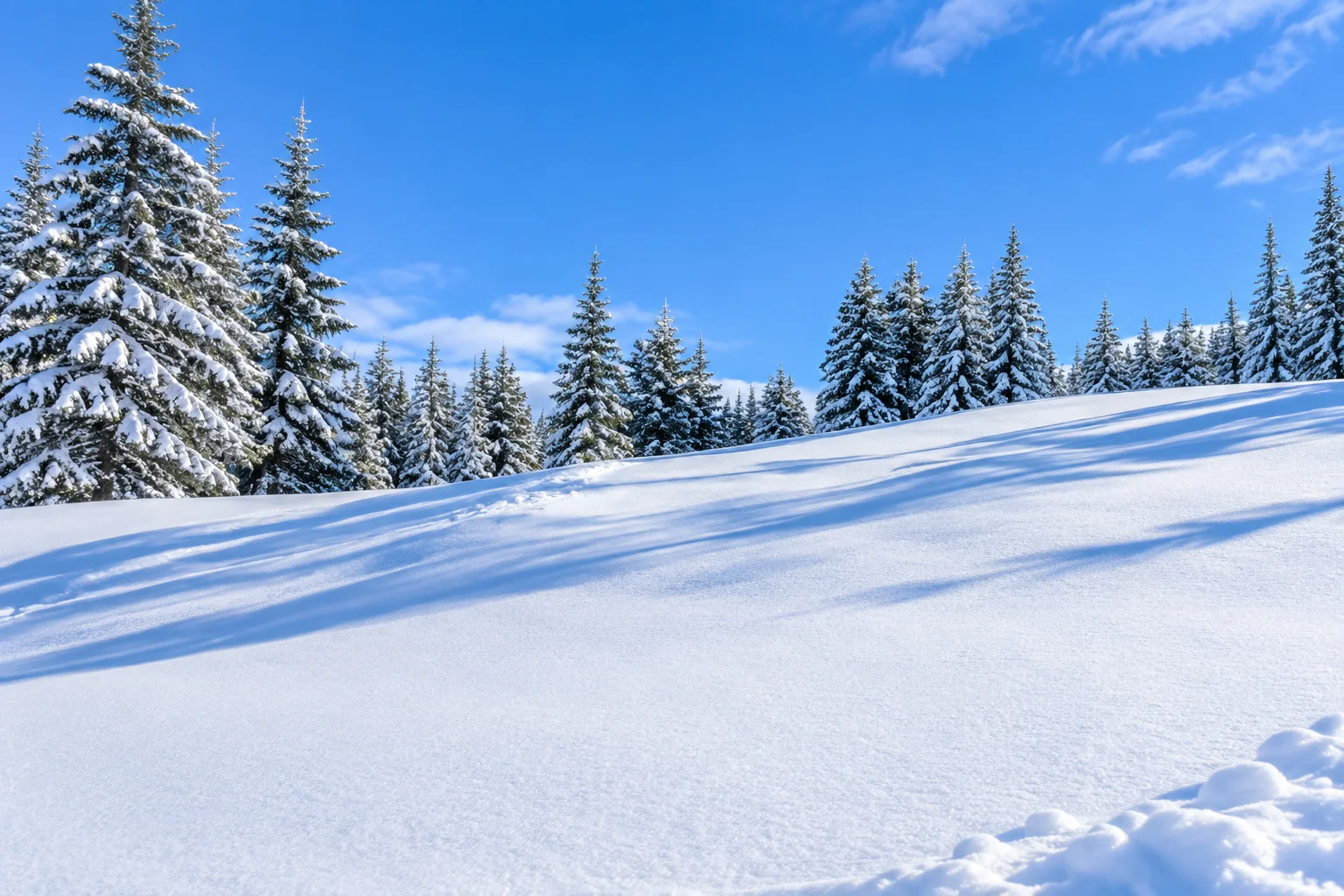
Fresh snow transforms public parks, golf courses, and nature reserves into dynamic playgrounds. The most enjoyable sledding locations feature a concave slope profile that starts with an energetic pitch before gradually mellowing into a level plane. This profile allows sledders to gain clean acceleration early in the descent while smoothly shedding speed without sudden jolts.
Wind direction and sun exposure heavily influence surface quality throughout the day. North-facing hills retain cold, dry powder much longer than south-facing hillsides, preventing midday slush from freezing into treacherous glare ice by dusk. Inspect the underlying soil conditions before heavy snowfall; well-manicured grass turf provides the safest base, whereas rocky fields create hidden puncture hazards under shallow snow packs.
Slope Classifications for Different Sled Types
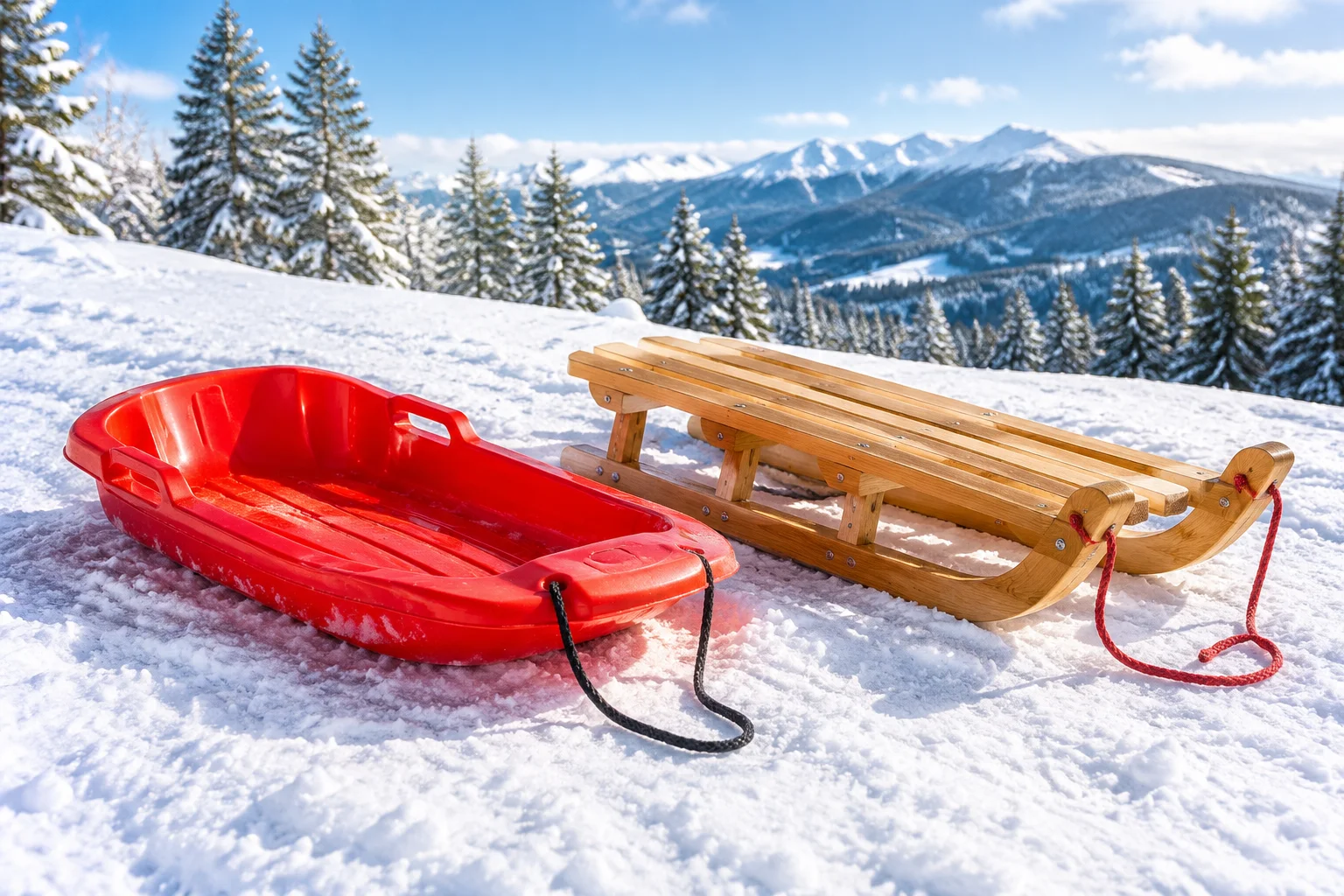
Different snow sled models behave distinctly depending on slope grade and banking. Steerable runner sleds and carved toboggans thrive on moderate 15 to 25 percent inclines, where metal or hard composite runners cut precise tracking lines through hard-packed snow. Foam sliders and lightweight plastic dishes produce lower surface friction, reaching rapid velocities even on mild 10 to 12 percent neighborhood inclines.
A truly exceptional sledding hill provides sustained downhill velocity without sacrificing the runout deceleration buffer or introducing blind obstacles along the primary slide corridor.
— Emily Johnson, Lab Sleds Research Coordinator
Inflatable snow tubes require specialized terrain consideration because they lack mechanical steering and friction brakes. For tubes, select wide bowls with natural lateral berms that keep riders centered in the track. Steep drops with abrupt transitions launch tubes into unpredictable airborne trajectories, making moderate rolling slopes far safer and more repeatable for family groups.
Deceleration Runouts and Hazard Inspection
The bottom of the hill requires just as much scrutiny as the launch ridge. An adequate runout zone measures at least 1.5 times the length of the descending slope when the surface is packed powder, and double that distance if icy conditions develop. Ensure the flat terminus remains completely free of roadways, parking lots, frozen retention ponds, retaining walls, and chain-link fences.
Establish clear trail discipline among your group before anyone pushes off from the summit. Designate walking return paths strictly along the outer edges of the hill so returning climbers never cross the path of descending sleds. Always wait for the runout zone to clear entirely before launching the next slider, maintaining a safe spatial buffer that eliminates pileups.